2,4-D has been described in the literature as a part of different protocols, e.g. for induction of somatic embryogenesis (Rhagavan, 2004).
| Item information |
Value |
| Release class: |
Release class 1 |
| CAS-Number: |
94-75-7 |
| Molecular weight: |
221 |
| GHS-Pictograms: |
05 07 |
| GHS-Pictogram image: |
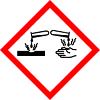 
|
| Sum formula: |
2.4-(Cl)2 C6H3OCH2COOH |
| Assay: |
min. 98 % |
| GHS signal word: |
Danger |
| Hazard Statements: |
H302; H317; H318; H335; H412 |
| Hazard statements written: |
Harmful if swallowed; May cause an allergic skin reaction; Causes serious eye damage; May cause respiratory irritation; Harmful to aquatic life with long lasting effects |
| Synonyms: |
2,4-D
hedonal
trinoxol |
| Precautionary Statements: |
P273; P280; P302+P352; P305+P351+P338; P313 |
| Precautionary statements written: |
Avoid release to the environment; Wear protective gloves. Wear protective gloves; IF ON SKIN: Wash with plenty of soap and water; 8 IF IN EYES: Rinse cautiously with water for several minutes. Remove contact lenses, if present and easy to do. Continue rinsing; Get medical advice/ attention |
| References: |
Raghavan, Val. "Role of 2, 4-dichlorophenoxyacetic acid (2, 4-D) in somatic embryogenesis on cultured zygotic embryos of Arabidopsis: cell expansion, cell cycling, and morphogenesis during continuous exposure of embryos to 2, 4-D." American Journal of Botany 91.11 (2004): 1743-1756. |
| Storage Temperature: |
15 - 25 °C |
The newest safety datasheets or certificate of analysis (CoA) can get requested by using our contact form. They also can be requested during the order process or directly per mail via [email protected].